





.png)
25 Broadway 10th Floor
New York, NY 10004
1111 Brickell Ave
Miami, FL 3313125
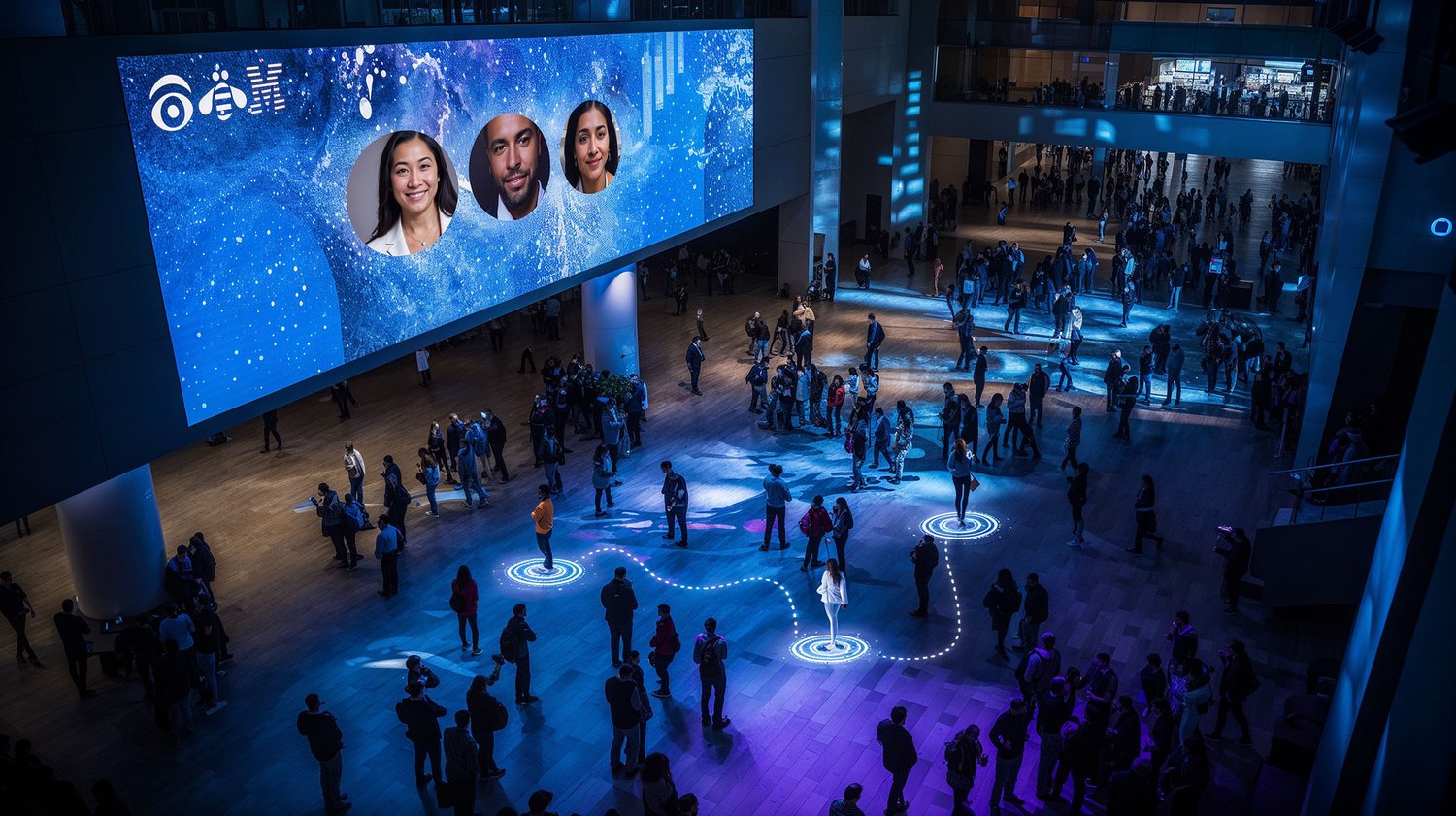
From AI-powered replicas to beacon-driven storytelling, this week’s cultural signals show how museums, parks, and performing arts spaces are embracing technology—not just as a tool, but as a storytelling partner. Across touchpoints, design is getting more inclusive, immersive, and emotionally resonant.
Here’s what we tracked this week:
- Design museums as changemakers: How these institutions are moving beyond display—shaping civic imagination, urban equity, and public discourse.
Read more →
- Outdoor wayfinding as experience design: Via Collective explores how signs, maps, and spatial cues can guide more than direction—they shape mindset and memory.
Read more →
- Notre-Dame’s digital twin goes live: An AI-powered, photorealistic replica of the iconic cathedral will let future generations explore, preserve, and study its details—virtually.
Read more →
- Saratoga Performing Arts Center becomes sensory-inclusive: With new training, signage, and support systems, SPAC is making its performances more accessible for neurodiverse audiences.
Read more →
- Beacon tech in museums: A look at how artists and institutions are using Bluetooth-enabled beacons to layer interactive stories and real-time engagement into the visitor experience.
Read more →
What We’re Noticing
Culture is becoming connective.
The latest headlines reveal a shift in how museums, performance venues, and public spaces engage with visitors—not just as audiences, but as participants. From sensory-inclusive certification to AI-powered preservation and beacon-driven storytelling, cultural spaces are blending empathy, technology, and design to create experiences that are as accessible as they are immersive.
Till next time,
Team Noble